














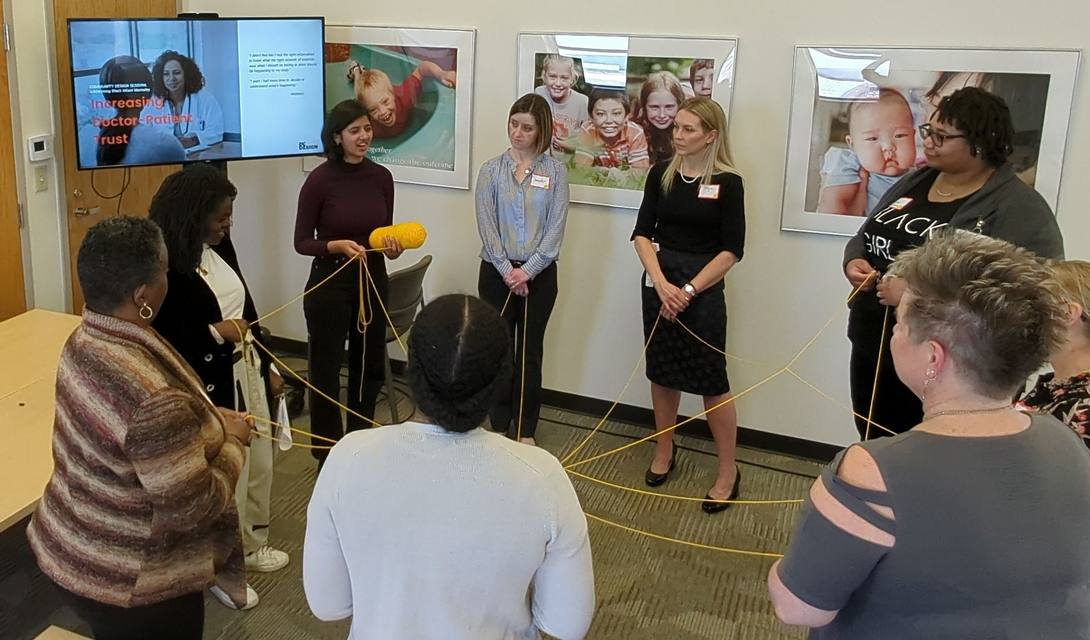
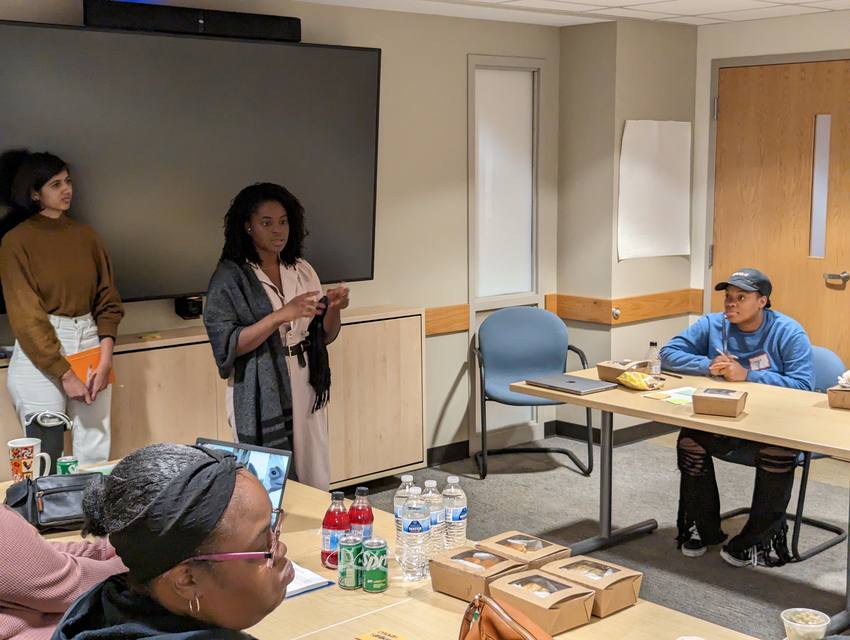
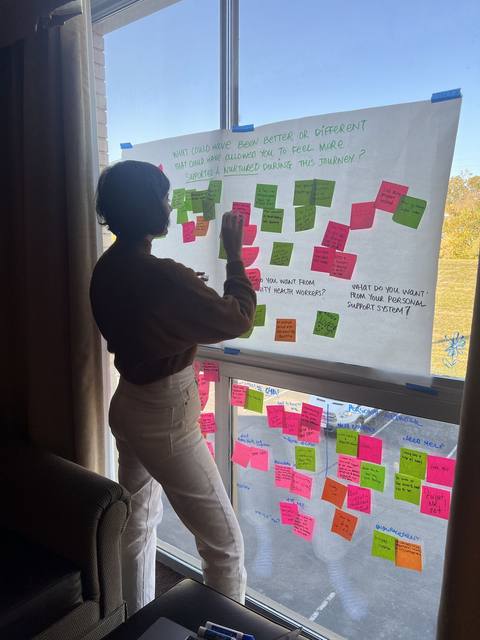
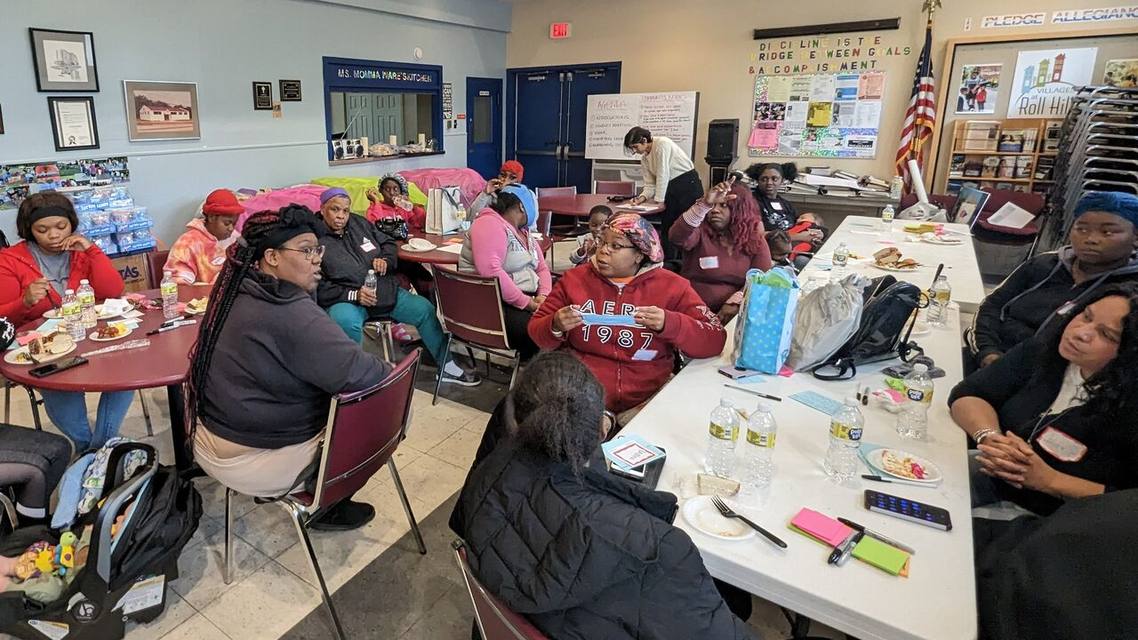

Financial services · Milwaukee · 2021–2022, pilot launched 2024
Building an ecosystem of support for small business owners
Milwaukee had organizations offering loans, coaching, and business education. But entrepreneurs struggled to find the support that fit their needs, while lenders lacked a shared way to coordinate referrals.
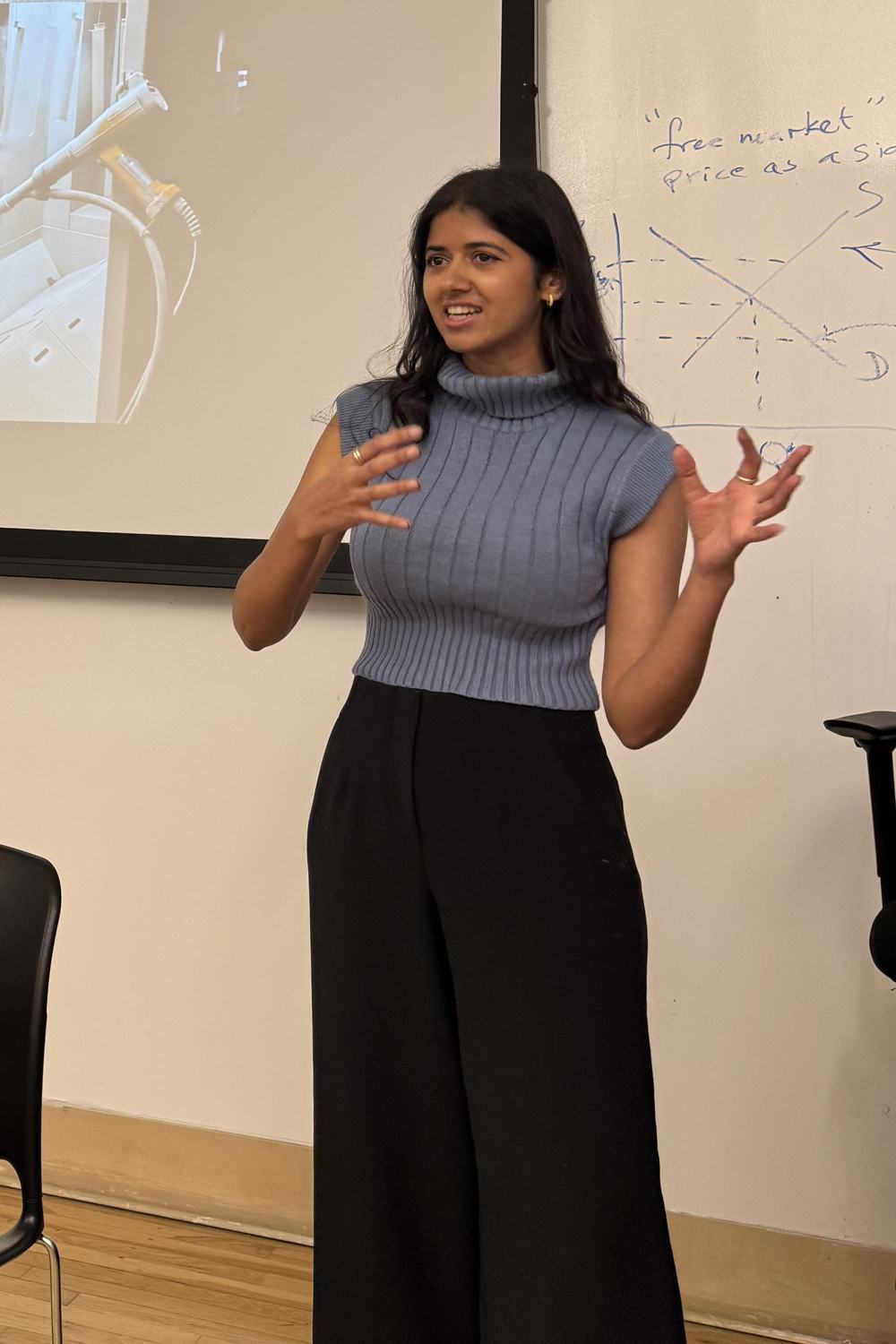
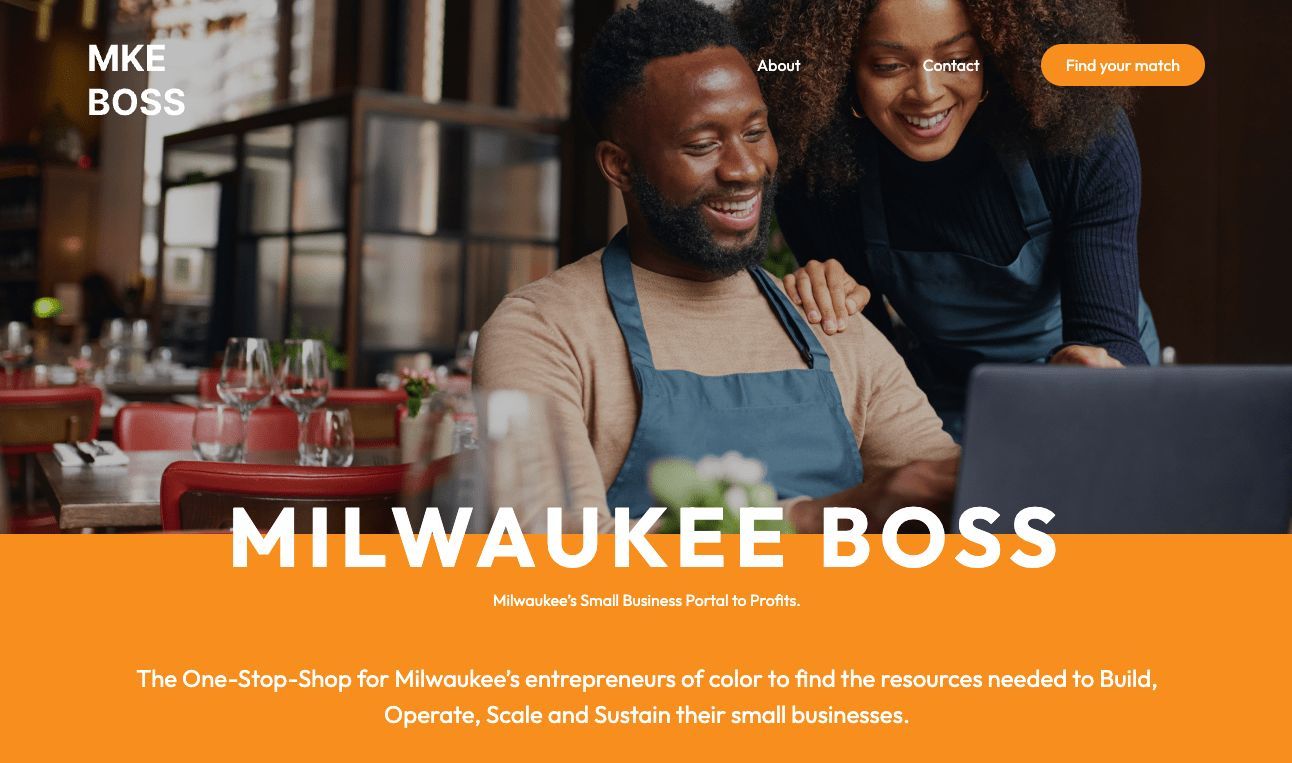
I led research and product design for MKE BOSS, a digital platform that helps entrepreneurs find relevant support and gives community lenders a shared way to manage referrals.
The challenge
Owners went from lender to lender, retelling their story each time. Many didn’t apply at all. They didn’t trust financial institutions, were afraid of loans, and were often turned down without hearing why.
The outcome
Owners answer a short intake and get matched to the right loans, coaching, and classes. Lender staff can pass an owner to a partner and see who is holding each one. The pilot launched in February 2024.
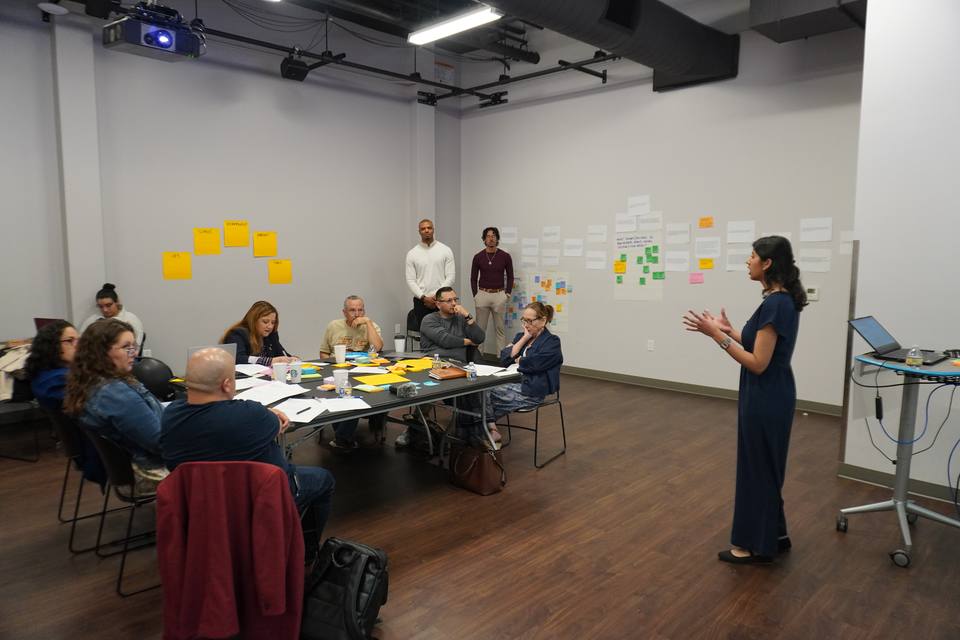
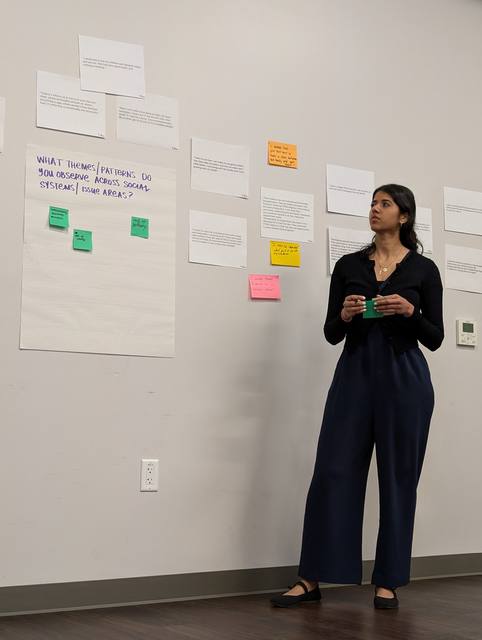
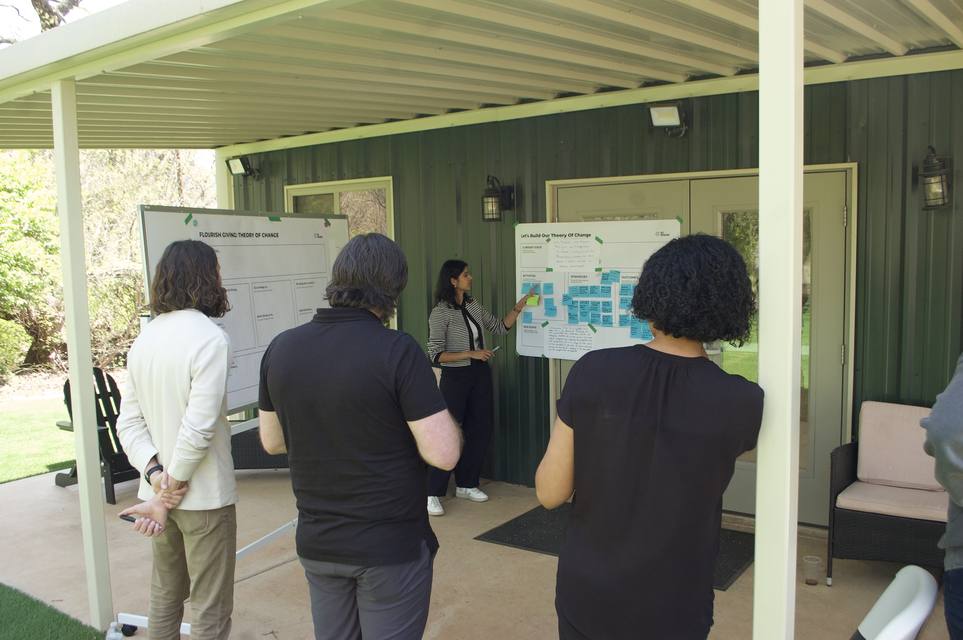
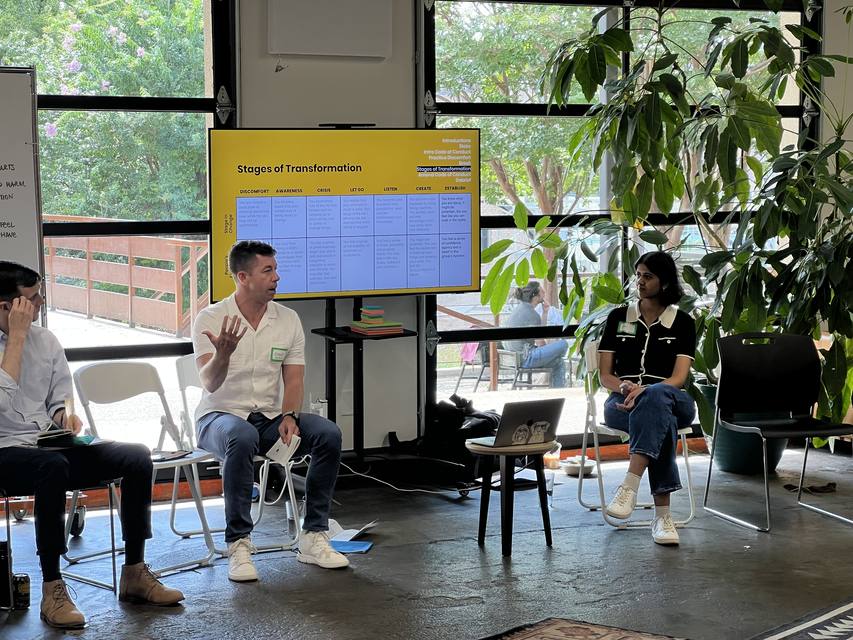
01 · Research
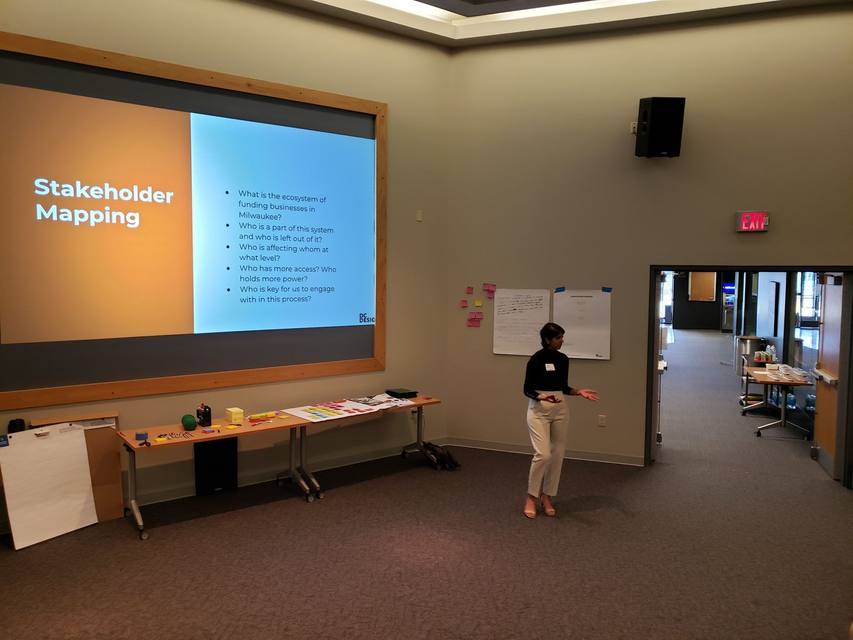
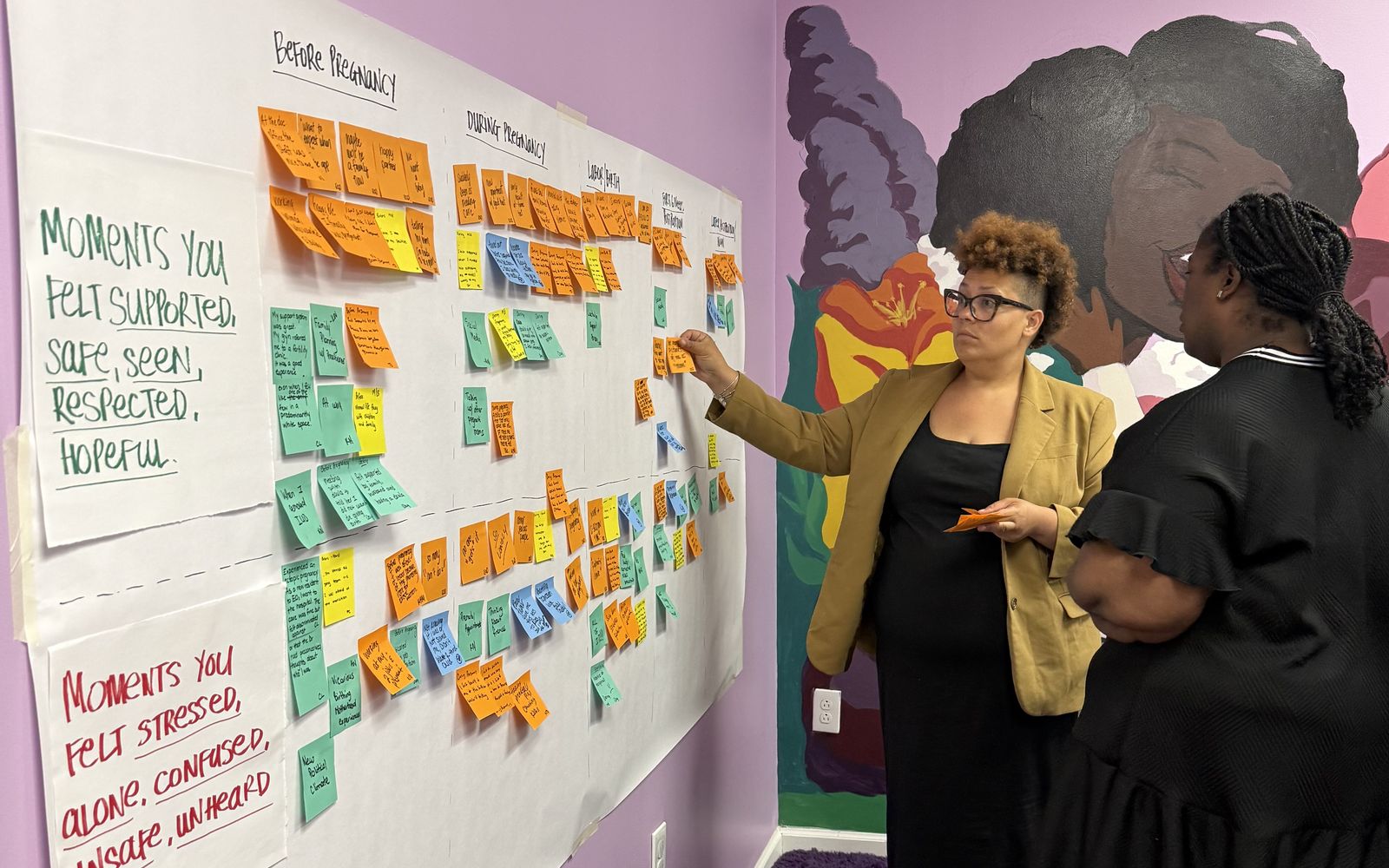
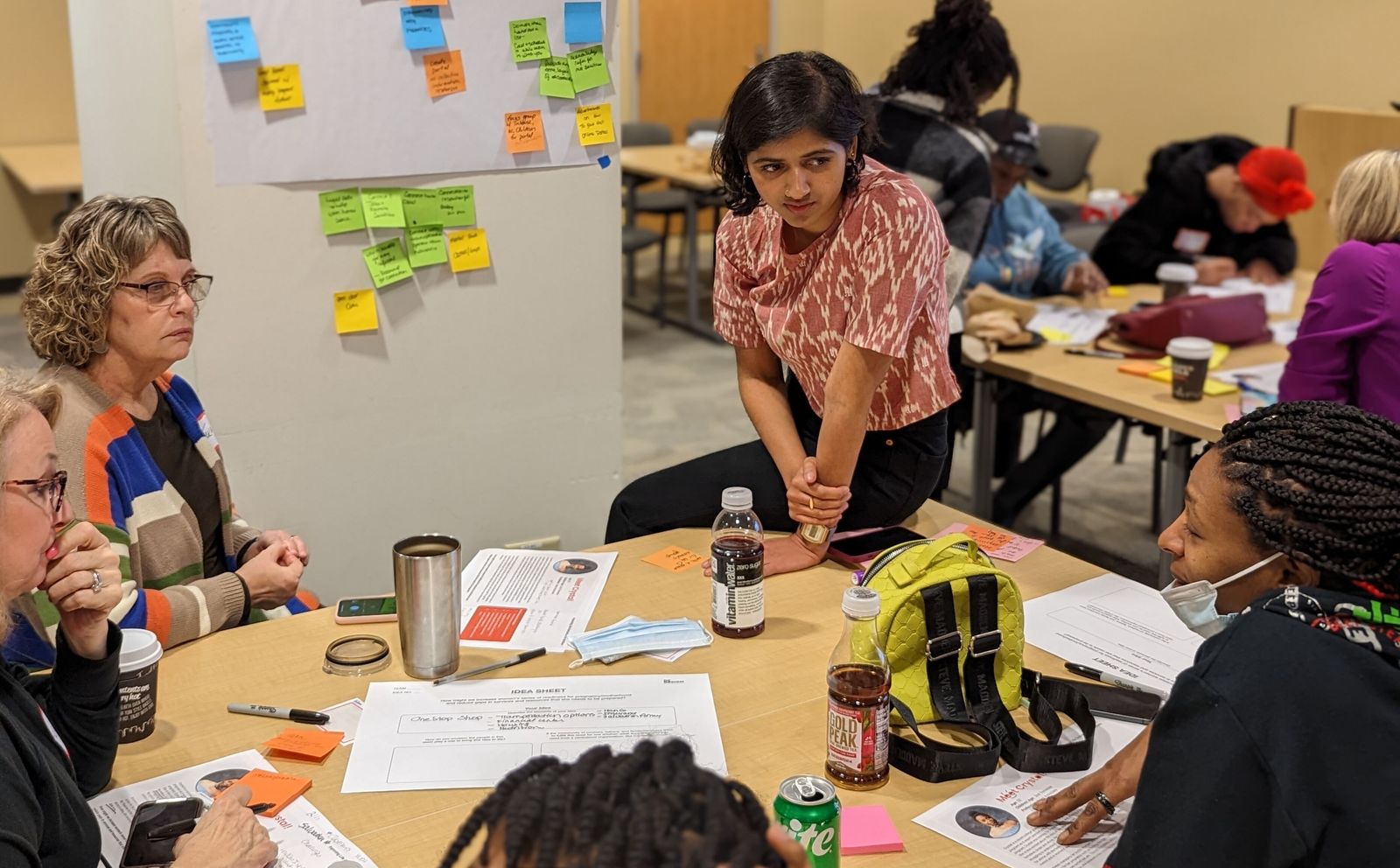
Listened to both sides
How I researched
| Method | Who and how many | Why |
|---|---|---|
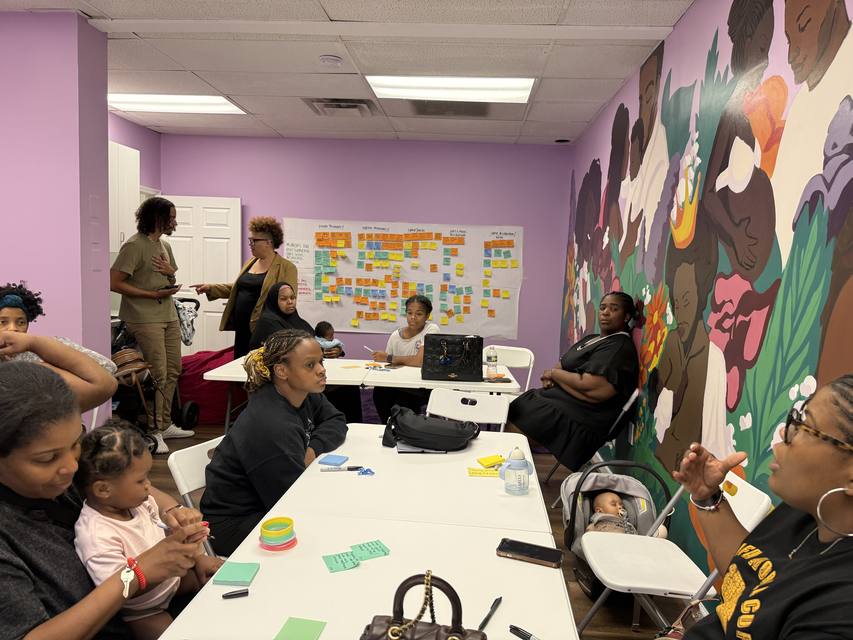
| Interviews | 10 entrepreneurs of color | To learn how they look for funding, decide whom to trust, and handle being turned down |
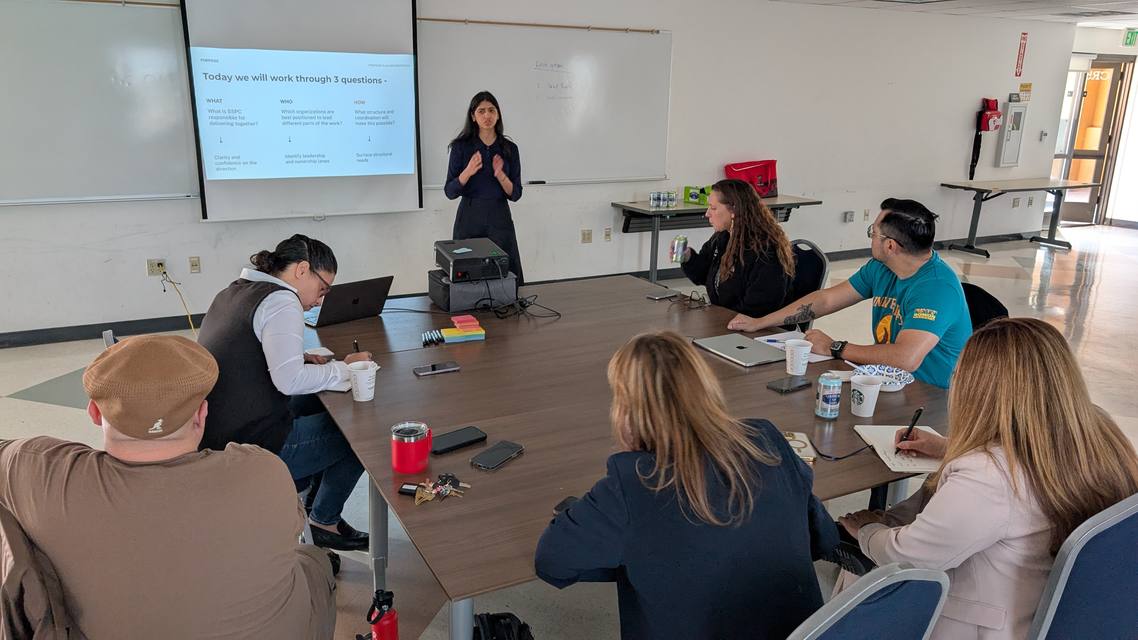
| Interviews and process mapping | 13 staff at the three community lenders | To see how each lender passed owners to the others, step by step |
Business owners
- Many were mistrustful of financial institutions.
- Many were afraid of taking on a loan.
- When they were turned down, they often never heard why.
“When you apply you feel amazing, when you get denied, your chest just feels stepped on.”
Lender staff
- Each lender served a different loan size, so many owners started at the wrong door.
- Referrals were emails and phone calls, not logged or tracked.
- Once an owner was referred, no one knew what happened next.
02 · The gap and the opportunity
The problem wasn’t a lack of resources. It was the gap between them.
Finding 1
Owners need the right fit, not more options
More options don’t help if owners can’t identify the right one.
“I don’t have time to google anything.”
For the productGuide owners to relevant services instead of presenting a directory.
Finding 2
Money alone isn’t enough
Access to capital needs to come with business education.
“I’m still drowning financially if you are giving us money and not the education of how to use it.”
For the productInclude coaching and classes alongside financing.
Finding 3
Support has to feel personal
A referral only works when it leads to a real connection.
“Don’t refer me to an org. Refer me to a person at the organization.”
For the productMake referrals trackable and show who is responsible for the next step.
03 · Design and testing
Designed every screen, and let testing change them
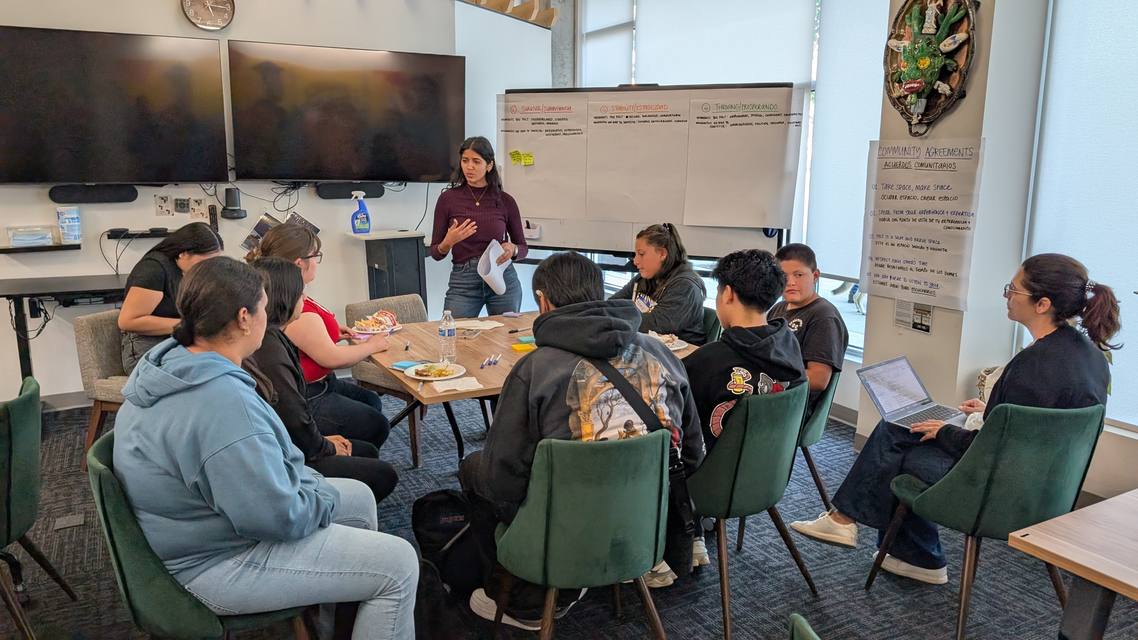
I took the platform from rough flows to final screens for both sides. In May 2022 I ran think-aloud tests on the wireframes with two staff at each of the three lenders and with three business owners. Three changes mattered most.
1Making referrals visible
Before
After
- What we first designed
- Lender staff saw incoming and outgoing referrals in separate tables. Nothing showed what happened after a handoff.
- What we heard
- “Who is holding the baton?” and “We have to figure out a good drop down system for status.”
- What changed
- Each lead shows who sent it and why, and the referring lender can see the status of the owner it passed on.
- Why it mattered
- A referral became a handoff someone owns, so owners stop getting lost between lenders.
2Respecting business experience
Before
After
- What we first designed
- Five textbook business stages, from “seed and development” to “maturity.”
- What we heard
- Lender staff said the tone made owners “feel like they’re inexperienced.” An owner warned, “You don’t want to insult a mature business or intimidate a startup.”
- What changed
- Two plain choices, planning and startup or growth and expansion, with experience asked in its own step, in neutral words.
- Why it mattered
- Owners who already distrust lenders need to feel respected on the first screen. A question that talks down to them can end the conversation.
3Reducing friction
Before
After
- What we first designed
- Owners would create an account and come back to a logged-in portal for their next steps.
- What we heard
- From our testing notes: “entrepreneurs are not logging in right now.”
- What changed
- No account needed. Owners share an email and phone number, and their matches are sent straight to them.
- Why it mattered
- Busy owners don’t come back to log in. Sending matches to their inbox meant they got them without an extra step.
Two smaller changes
- “Client” became “Business name,” because lenders “refer to every client through business name.”
- Personal questions moved to the end, with an “I don’t want to disclose” option, after an owner asked, “What if I don’t want to disclose my race/ethnicity?”
04 · Requirements and launch
Wrote the requirements and the matching logic
I turned the research into requirements for the engineering partner, wrote the matching logic, and worked with the engineers on what had to ship first.
- Each lender is scored for fit, starting with loan size.
- Owners see lenders ranked by best match. If a lender can’t help, the lead goes to the next-best match.
- Owners who aren’t ready for a loan are pointed to classes that get them ready.
What this project taught me
Access isn’t just about whether resources exist. It’s about whether people can find them, trust them, and actually receive the support they need.
Entrepreneurs needed more than capital. They needed education, guidance, and relationships with people who could help them move forward. And the organizations providing that support needed better ways to work together.
Sometimes the most meaningful intervention isn’t creating another service. It’s connecting the resources that already exist so they can reach the people who need them.